
Blog
JoJo Poses: Art History Origins, Sculpture, and Style
The gist: Iconic jojo poses stem from Hirohiko Araki’s deep study of Italian Renaissance sculpture and twentieth-century European fashion photography. Rather than arbitrary contortions, these poses utilize contrapposto spinal twisting and dynamic asymmetry to convey intense dramatic tension and emotional authority.
Few visual tropes in modern manga are as instantly recognizable as the dramatic, gravity-defying postures known globally as JoJo poses. Whether executed by a towering supernatural protagonist or an eccentric antagonist, these hyper-stylized stances have inspired global photography challenges, runway fashion tributes, and convention gatherings. Yet beneath their flamboyant surface lies a sophisticated foundation of classical art history and anatomical mechanics.
In his authoritative masterclass book Manga in Theory and Practice, Hirohiko Araki explains that body language must convey a character’s psychology before a single line of dialogue is read. When an artist establishes a character’s stance, every joint angle, finger tilt, and spinal curve projects authority, deceit, or heroic vulnerability. Below is the complete breakdown of the classical artistic origins behind JoJo poses, the anatomical mechanics of contrapposto, and a step-by-step physical execution guide for recreating them safely.
| Pose Archetype | Core Body Mechanics | Art Historical Reference | Physical Balance Difficulty |
|---|---|---|---|
| The Finger Point | Pelvis thrust forward, torso angled back 15 degrees, extended index finger | Michelangelo’s Sistine Chapel ceiling frescoes | Moderate core balance required |
| The Head Tilt & Shoulder Twist | Contralateral shoulder rotation with acute neck tilt and bent elbow | Antonio Canova neoclassical marble sculptures | Low physical strain |
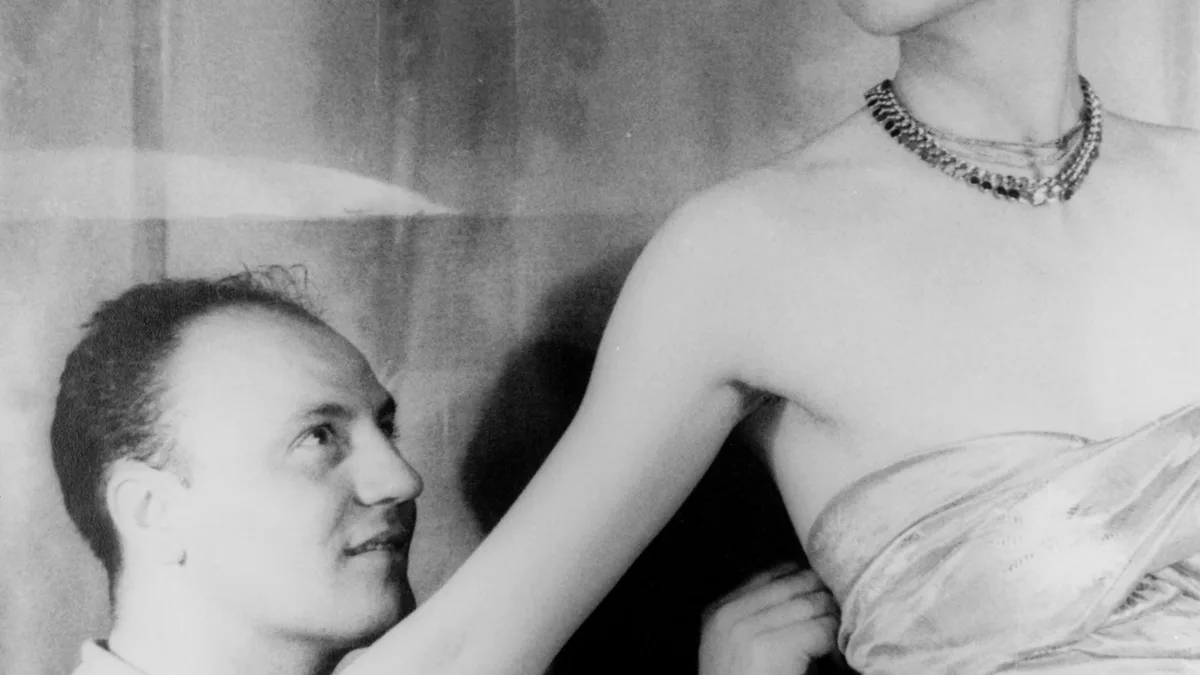
| The Face Guard & Palm Shield | Partial face masking behind flared fingers, wide squat stance | Vogue fashion editorial photography by Tony Viramontes | High wrist and forearm flexibility |
| The Double Knee Drop | Deep low center of gravity with arched lumbar spine and thrown-back head | Bernini’s Ecstasy of Saint Teresa | High quadriceps and core endurance |
What classical sculpture traditions inspired legendary jojo poses?
Classical sculpture traditions inspired legendary jojo poses through Italian Renaissance and Hellenistic Greek statues, specifically Michelangelo and Bernini, whose dramatic muscular torsion and expressive anatomical twists demonstrated how frozen stone could project boundless physical movement.
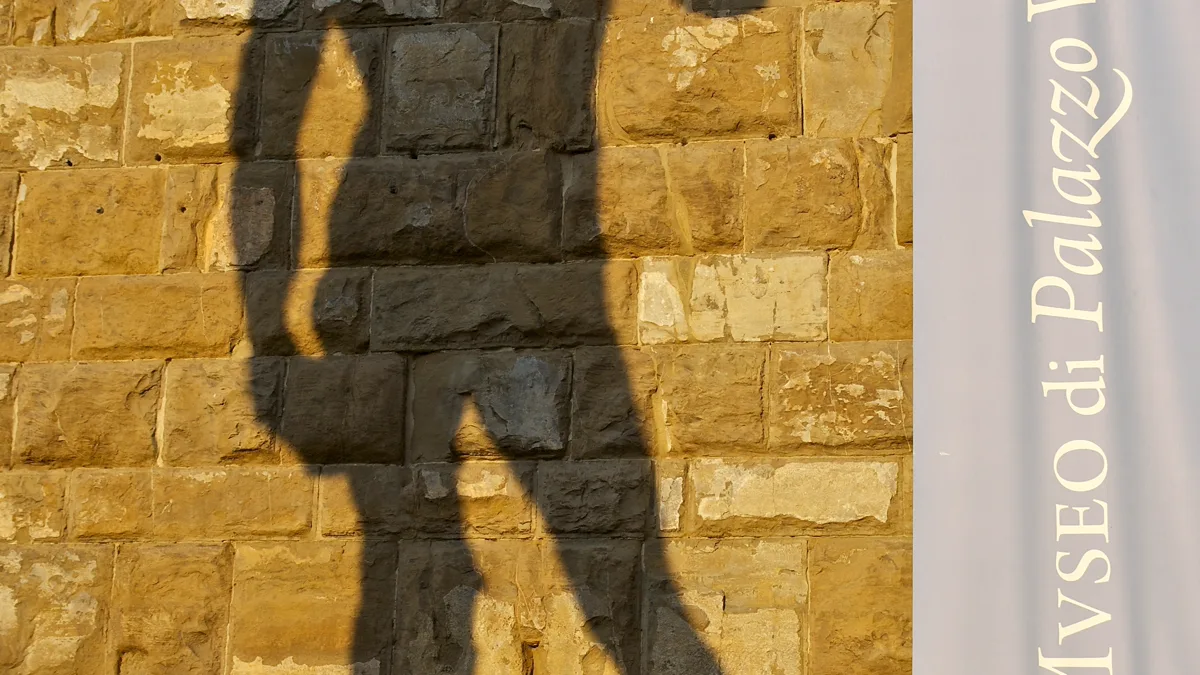
During his formative travels across Rome, Florence, and Paris in the 1980s, Araki spent hours sketching classical marble figures in world-class museums. He observed that Renaissance masters never rendered human bodies in rigid, flat alignments; they placed weight unevenly on one leg, causing the hips and shoulders to tilt in opposing directions.
This classical dynamism was integrated directly into character design. When heroes confront supernatural threats, as explored across our series overview guide, their body postures channel the heroic gravity of ancient warriors, transforming comic panels into dynamic gallery compositions.
By studying how Greek sculptors captured muscular tension in figures like the Laocoon group, Araki realized that anatomical exaggeration could express extreme psychological distress or divine triumph far more powerfully than conventional dialogue.
In addition, Araki drew significant inspiration from the sixteenth-century Italian Mannerist movement, particularly the dramatic elongated figures created by artists like Pontormo and Parmigianino. Mannerist painters rejected the rigid geometric symmetry of the early Renaissance in favor of serpentine curves known as figura serpentinata, where the human body is twisted gracefully along multiple axes to convey refined emotional intensity.
How did twentieth-century European fashion photography shape Araki’s art?
Twentieth-century European fashion photography shaped Araki’s art by introducing high-fashion editorial poses from visionary photographers like Tony Viramontes and Helmut Newton, whose angular limb geometry and dramatic lighting challenged traditional comic framing conventions.
Araki was deeply inspired by the visual vocabulary of high fashion, collecting international style publications and studying how models utilized acute joint angles to present garment silhouettes.
By blending runway elegance with supernatural shonen action, Araki pioneered a visual aesthetic where combatants look like high-fashion models locked in high-stakes intellectual duels. As seen in our analysis of supernatural Stand combat mechanics, physical posturing telegraphs psychological dominance before combat commences.
The fusion of couture styling with anatomical combat creates a unique graphic identity where outfits, poses, and character expressions operate as an integrated visual composition.
What is contrapposto and how does spinal twisting create kinetic energy?
Contrapposto is an Italian art technique where a figure places the majority of their weight on one supporting leg, creating an asymmetrical S-curve along the spine that projects natural kinetic tension, effortless grace, and muscular readiness in static illustrations.
When the hips tilt to support body weight on the right foot, the shoulder girdle instinctively tilts to the left to maintain equilibrium. This counter-rotational dynamic prevents the figure from appearing stiff or lifeless on the printed page.
Araki exaggerates this natural S-curve to its expressive limit, bending character spines and twisting torsos beyond normal everyday posture. This heightened physical tension imbues static comic illustrations with the illusion of impending explosive movement.
In artistic anatomy, this dynamic S-curve also creates natural negative space between the arms, torso, and legs. This negative space allows the eye to travel smoothly across the page, guiding reader focus toward focal narrative elements.
How can you execute dramatic character poses safely without muscle strain?
Executing dramatic character poses safely requires engaging your core abdominals, establishing a solid foundation with your supporting foot, and avoiding abrupt hyper-extension of the lower lumbar spine or knee joints during photographic recreations.
If you want to recreate these iconic postures for photography or casual fun, follow these four physical safety guidelines:
- Warm up your joints: Spend three minutes rotating your ankles, wrists, and neck before attempting sharp angular extensions.
- Lock in your base foot: Plant your primary supporting foot firmly into the ground with weight distributed evenly across the heel and ball of the foot.
- Engage your core muscles: Tighten your abdominal wall to support your lower spine before arching your back or tilting your shoulders.
- Avoid sudden jerking motions: Transition slowly into the final pose position rather than snapping into acute angles, preventing muscle strains.
What is the artistic role of menacing sound effect lettering?
The artistic role of sound effect lettering in character poses is to amplify atmospheric tension and psychological pressure, using stylized katakana symbols like gogogo to vibrate across the panel background and signal impending supernatural danger.
In traditional comic art, onomatopoeia is reserved for physical sound effects like punches, explosions, or footsteps. Araki revolutionized manga lettering by using katakana characters to illustrate silent psychological states and creeping dread.
When a character strikes an asymmetrical contrapposto pose surrounded by floating katakana glyphs, the reader senses an aura of physical intimidation, making the static drawing resonate with palpable theatrical intensity.
The placement of these floating characters follows strict compositional geometry. Large bold characters flank the outer silhouette boundaries to frame the subject, while smaller fading glyphs recede into background perspective lines to create dimensional depth in two-dimensional line art.
How does garment drapery accentuate anatomical body lines?
Garment drapery accentuates anatomical body lines by wrapping fabric folds tightly around flexed muscle groups, utilizing flowing capes, scarves, and flared trouser legs to visually extend the trajectory of dynamic limbs across the composition.
Understanding how fashion editors and classical sculptors capture dynamic tension enables sequential artists to create memorable compositions. When practicing these poses, paying attention to focal lines and maintaining bodily control ensures an authentic visual presentation.
Araki carefully coordinates clothing seams with anatomical landmarks. A belt buckle tilted at thirty degrees reinforces the pelvic contrapposto slant, while an open coat fluttering behind a hero amplifies the feeling of forward athletic momentum.
This synthesis of tailored clothing with athletic body geometry transforms simple combat encounters into dramatic visual statements. Every posture communicates character confidence, tactical preparation, and psychological resolve.
Manga posing mechanics by the numbers
- 15 to 25 degrees typical spinal twist angle utilized in classical contrapposto postures (sculpture standard).
- 1987 the initial publication year where Araki began blending Renaissance sculpture with manga art (historical origin).
- 4 decades of serialized publications displaying evolving anatomical figure drawing (franchise history).
- 70 percent of body weight anchored onto a single primary supporting leg in classic poses (biomechanical ratio).
- 3 distinct artistic movements synthesizing the posing aesthetic (Hellenism, Renaissance, 80s Haute Couture).
- 4 safety checkpoints recommended before attempting extreme lumbar extension poses (physical guideline).
Why expressive anatomical posing defines sequential art
Dramatic character posing endures because it elevates comic art from simple illustrated action into expressive visual poetry. By studying Renaissance sculpture and runway photography, Araki proved that the human silhouette can communicate boundless emotion without relying on dialogue. Have you tried executing an iconic character pose in front of a camera?
Reader mail
Why do characters in JoJo strike dramatic poses during combat?
Dramatic poses communicate psychological confidence, intimidate opponents, and project kinetic energy across static comic panels through classical art techniques.
What artists influenced Hirohiko Araki’s figure drawing?
Araki was heavily influenced by Italian Renaissance sculptors Michelangelo and Bernini, alongside fashion illustrators Tony Viramontes and Antonio Lopez.
What does contrapposto mean in art history?
Contrapposto describes a human posture where weight is shifted onto one leg, causing hips and shoulders to tilt in opposite directions to create natural movement.
Are these dramatic poses physically possible in real life?
While many poses can be recreated with good balance and flexibility, Araki intentionally exaggerates spinal curves beyond normal biological limits for visual drama.
How we researched this: official releases and trade press for facts; an AI tool produced the first pass, and Stand names were verified one by one.
Sources: Renaissance sculpture anatomical drawing archive, Sequential art draftsmanship and composition treatise, Modern fashion photography and editorial styling retrospective