

Blog
Steel Ball Run Guide: Manga, Anime, and Canon Explained
The gist: Steel Ball Run is the seventh story arc of JoJo’s Bizarre Adventure, rebooting the franchise in an alternate 1890s American West. You can read or watch it completely standalone without prior knowledge of Parts 1 to 6. It follows Johnny Joestar and Gyro Zeppeli in a 6,000-kilometer cross-country horse race.
Part 7 marks the clean break point for Hirohiko Araki’s long-running series. When newcomers ask where to jump into the franchise without sitting through two decades of backstory, this is the arc I point to first. No century-long bloodline feud to memorize. No Victorian vampire lore required. Just two solitary riders navigating an unforgiving continent on horseback, chasing a fifty-million-dollar purse while uncovering a national conspiracy across nine distinct stages. What makes the story grip you immediately is its grounded grit. The art direction leans heavily into high-fashion silhouettes and classical draftsmanship, while the pacing trades martial-arts posturing for grueling tactical endurance.
Whether you plan to read the original manga or stream the adaptation, understanding the structure of the race and its continuity reset saves hours of confusion. Here is the breakdown of what makes this story arc distinct, how the power systems operate, and how to choose the right medium for your initial run.
| Format | Official Source | Status (Checked Oct 2026) | Best For |
|---|---|---|---|
| Manga (Original Japanese) | Shueisha (Jump Comics) | 24 Volumes Complete (95 Chapters) | Complete original pacing, unedited monthly Araki linework, and full sequential draftsmanship |
| Manga (English Release) | VIZ Media | Ongoing Deluxe Hardcover Editions | Collectors and readers seeking localized dialogue, restored sound effects, and durable bindings |
| Anime Adaptation | Netflix / David Production | Streaming Broadcast Available | Viewers seeking animated race sequences, voice performances, and dramatic musical scoring |
What is Steel Ball Run?
Steel Ball Run is Hirohiko Araki’s seventh major manga story arc, chronicling an 1890 transcontinental equestrian race across North America. The narrative follows Johnny Joestar, a former prodigy jockey paralyzed from the waist down, who teams up with Gyro Zeppeli, a disgraced Neapolitan executioner wielding mystical spinning steel orbs.
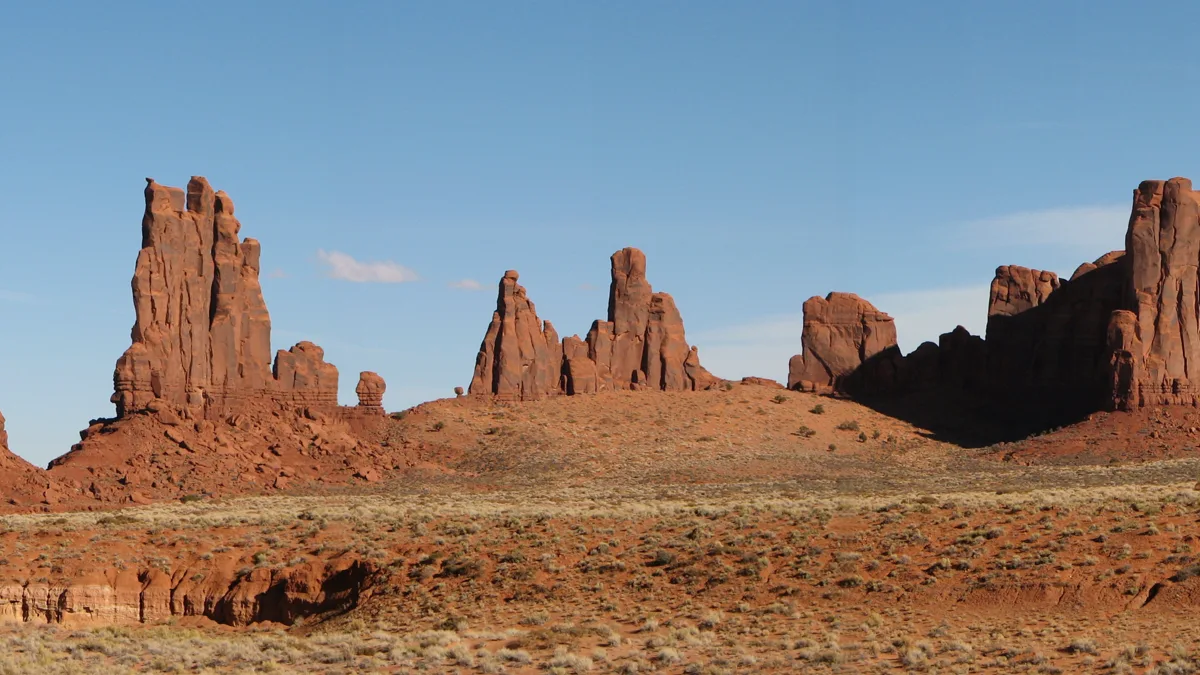
The race begins on the Pacific coast in San Diego and spans roughly 6,000 kilometers across deserts, mountain passes, and open plains before terminating in New York City. While thousands of international competitors enter for the astronomical cash prize, the true objective behind the event involves locating sacred relic parts scattered across the frontier territory. Araki reimagines classic western tropes with supernatural combat, tactical survival, and deep psychological character development.
As noted in community discussions on r/StardustCrusaders, the transition from weekly shonen magazine serialization to monthly seinen pacing allowed Araki to explore complex moral ambiguities and realistic equestrian mechanics that set this storyline apart from earlier arcs. The characters do not fight merely for abstract justice; they fight for personal redemption, family honor, and physical recovery.
Johnny Joestar represents one of Araki’s most vulnerable protagonists. Rather than starting as an invincible hero, Johnny begins bitter, cynical, and desperate to regain the use of his legs after witnessing Gyro’s rotational technique. Their dynamic evolves from reluctant allies into an unbreakable bond forged through brutal survival across the American wilderness.
Is Steel Ball Run canon and standalone?
Yes, Steel Ball Run is fully official and canon to the JoJo franchise, but it takes place in a separate alternate continuity from Parts 1 through 6. You do not need to read Phantom Blood or Stone Ocean to understand the characters, plot, or mechanics of Part 7.
When Shueisha serialized the early chapters in 2004, the title was originally promoted simply as Steel Ball Run to invite fresh readers without intimidating them with six parts of established lore. While familiar character names like Brando, Zeppeli, and Joestar reappear, they represent entirely new historical counterparts with distinct motivations, family backgrounds, and abilities. For newcomers seeking an entry point into the franchise’s celebrated storytelling, Part 7 offers a self-contained narrative with zero prior homework required.
The alternate timeline allows Araki to strip away legacy baggage. In the original continuity, characters frequently relied on inherited techniques and family destinies. In Part 7, survival depends entirely on personal resourcefulness, horse stamina, and mastery over geometric physics. Longtime readers will appreciate clever homages to earlier storylines, while first-time readers enjoy a coherent beginning, middle, and conclusion.
Manga publication history and volume facts
Hirohiko Araki serialized the manga between 2004 and 2011, totaling 95 chapters collected into 24 tankobon volumes. The series initially ran in Weekly Shonen Jump before moving to the monthly seinen magazine Ultra Jump in 2005, expanding chapter lengths from 20 pages to over 40 pages.
This shift to monthly publishing fundamentally transformed the visual detail and narrative depth. Araki gained the production schedule needed to render expansive western landscapes, intricate cross-hatching, and kinetic horse movement. For international readers, VIZ Media launched official localized print editions starting in 2025, offering premium hardcovers with translated sound effects and production notes. Exploring our broader blog coverage gives you a deeper look into the styling and artistic nuances of the seinen transition.
The transition to Ultra Jump also brought greater thematic maturity. Araki was no longer constrained by shonen magazine editorial guidelines, enabling him to depict realistic wilderness injuries, ethical dilemmas, and complex political intrigue. The artwork during this era features exquisite shading and costume detailing that established Araki’s modern aesthetic.
How is the anime adaptation structured?
The anime adaptation is produced by David Production and distributed globally via Netflix. The series adapts the multi-stage race with high-fidelity animation, capturing the distinct pastel color shifts and dramatic character poses that define Araki’s modern artistic style.
For a detailed breakdown of opening stages, character introductions, and broadcast topics, check out our initial guide on the Steel Ball Run stage 1 hot topics. The animated adaptation maintains faithful adherence to the source manga, making it easy for viewers to switch between reading and watching as new episodes arrive on streaming platforms.
David Production utilizes specialized rendering pipelines to capture the intricate equestrian motion required for continuous horse racing scenes. The sound design incorporates authentic western frontier instrumentation, contrasting acoustic slide guitars with driving electronic synth pulses during high-stakes Stand encounters.
How do Stands and the Spin work for beginners?
Combat in Part 7 revolves around two distinct supernatural systems: the Spin, a centuries-old physical technique based on mathematical ratios, and Stands, which are physical manifestations of a user’s spiritual willpower. Unlike earlier storylines where Stands appeared spontaneously, Part 7 ties their awakening directly to environmental survival and mastering physical arts.
The core battle concepts include:
- The Spin technique: A kinetic rotation passed through steel spheres, using the golden ratio to generate rotational energy capable of warping skin, traversing obstacles, and deflecting kinetic impact.
- Environmental Stand awakening: Travelers traversing extreme geographic anomalies known as the Devil’s Palm awaken latent Stand abilities through sheer survival willpower.
- Evolving manifestations: Johnny Joestar’s Stand, Tusk, evolves across four distinct Acts as he deepens his understanding of rotation geometry and personal resolve.
- Corpse Relic interaction: Gathering mummified relic segments enhances Stand potency, granting spatial distortion and temporal protection.
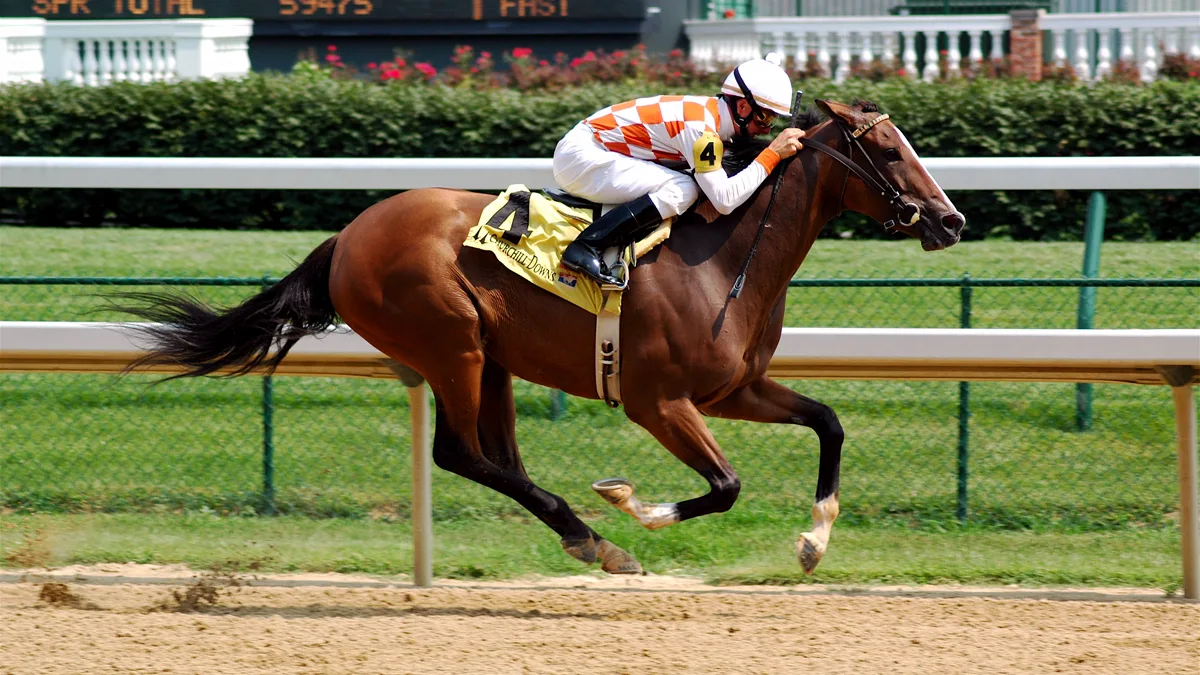
What distinguishes these battles from conventional action shonen is the emphasis on resource conservation. Water, horse fatigue, terrain elevation, and bullet counts matter just as much as supernatural powers. A single miscalculated gallop through desert sands can cost a competitor the entire race.
Steel Ball Run by the numbers
- 24 manga volumes published across the full serialization run (Shueisha official records).
- 95 total chapters comprising the transcontinental journey (Ultra Jump catalog).
- 6,000 approximate kilometers traversed on horseback from San Diego to New York (measured in-story).
- 9 distinct race stages featuring unique terrain, weather, and survival hazards (counted in this guide).
- 50,000,000 dollars representing the grand prize purse offered by the race promoter (in-story currency).
- 7 years of continuous serialization from 2004 through 2011 (publication timeline).
Where should you start: manga or anime?
If you enjoy absorbing intricate line art, rich two-page spreads, and reading at your own pace, begin with the original 24-volume manga. Araki’s monthly panel composition from Ultra Jump remains a pinnacle of sequential art, particularly during tense tactical duels and quiet desert campfires under starlit skies.
If you prefer dynamic motion, voice acting, and orchestrated musical scores that accentuate the frontier atmosphere, the Netflix anime adaptation provides an accessible entry point. Whichever medium you select, you will experience one of the most celebrated and self-contained story arcs in modern sequential storytelling. Have you decided which format you will pick up first?
Reader mail
Do I need to watch Parts 1 through 6 before Steel Ball Run?
No. Steel Ball Run takes place in a fresh alternate continuity. While it contains subtle homage references to earlier names, the plot, world, and characters are entirely standalone.
Why did the manga move from Weekly Shonen Jump to Ultra Jump?
The monthly format of Ultra Jump allowed Hirohiko Araki more time to draw complex horse anatomy, detailed wilderness backgrounds, and write deeper seinen themes without weekly crunch.
Is Johnny Joestar related to Jonathan Joestar from Part 1?
Johnny is an alternate-universe counterpart sharing a similar name and lineage, but he has a distinct backstory, personality, and supernatural abilities.
How long is the complete Steel Ball Run manga?
The series consists of 95 chapters collected into 24 tankobon volumes, spanning approximately seven years of monthly serialization from 2004 to 2011.
How we researched this: dates, chapter numbers and names were checked against the publisher and Netflix. AI tools helped draft the article.
Sources: Official manga publication catalog, Broadcast streaming series directory, Animation industry encyclopedia