

Blog
How to Paint Shoes: Custom Sneaker Prep and Sealing
The gist: Learning how to paint shoes requires proper surface preparation, flexible acrylic leather pigments, and protective sealing coats. Deglazing leather uppers, masking rubber midsoles, and building color in thin coats prevents cracking along flex points and ensures long-lasting durability.
Customizing a pair of blank sneakers transforms ordinary footwear into personal wearable art. However, many beginners make the mistake of slapping standard craft acrylic directly onto untreated leather, only to watch their hard work flake away after a single afternoon of walking. Footwear experiences constant bending, friction, and moisture exposure with every stride. Achieving a clean, durable custom finish demands the right chemical prep, specialized flexible paints, and patient curing times.
Whether you want to paint canvas low-tops or customize leather athletic sneakers with bold geometric motifs, following a disciplined workshop process makes all the difference. Understanding material properties, color mixing theory, and proper sealant application prevents common pitfalls and extends the lifespan of your custom artwork. Here is your comprehensive checklist and workshop guide for customizing footwear from raw unboxing to final waterproof seal.
| Upper Material | Preparation Method | Recommended Paint Type | Protective Topcoat | Full Cure Time |
|---|---|---|---|---|
| Smooth Full-Grain Leather | Deglaze with acetone using cotton pads; scuff lightly with 400-grit pad | Flexible acrylic leather paint | Matte or satin acrylic finisher | 24 to 48 hours |
| Cotton Canvas | Clean with mild soap; mix paint 1:1 with fabric medium | Fabric acrylic or soft leather paint | Waterproof repellent spray | 24 hours after heat set |
| Synthetic Leather | Wipe clean with isopropyl alcohol; light surface scuffing | Adhesion-promoted acrylic paint | Flexible polyurethane finisher | 48 hours |
What tools and paints are essential for footwear craft?
Essential footwear customizing supplies include specialized flexible leather acrylics, high-purity deglazing solvents, synthetic detail brushes, precision masking tape, and protective clear finishers. Standard craft paints must be avoided because they dry rigid and crack under walking stress.
Working on footwear requires materials designed specifically for dynamic flexible substrates. Standard heavy-body acrylics dry brittle, whereas specialized leather paints incorporate elastomeric binders that stretch alongside upper materials during walking.
Your core workstation supplies should include:
- Leather preparer and deglazer: High-purity solvent that strips factory topcoats and silicone finishes from leather panels.
- Flexible acrylic leather paints: High-pigment formulas that bond chemically with prepared grain leather without cracking.
- Fabric medium additive: Thins paint for woven canvas while keeping the texture soft and breathable.
- Synthetic detail brushes: Size 0 round brushes for crisp line work and 1/2-inch flat brushes for base coats.
- High-tack masking tape: Precision tape to shield midsoles, eyelets, and interior collar linings from stray pigment.
- Acrylic finisher topcoat: Protective clear sealant available in matte, satin, or gloss sheens to lock in pigments.
How should you properly prepare leather and canvas uppers?
Proper surface preparation requires removing the shoelaces, stuffing the toe box firmly with packing paper, and thoroughly stripping factory silicone seals with deglazer. Skipping this step prevents acrylic pigments from bonding directly with the leather pores.
Surface preparation accounts for eighty percent of your final paint adhesion and longevity. Factory leather footwear comes from the manufacturer with a protective wax and silicone seal that repels moisture and prevents raw paint from adhering to the leather grain.
Begin by removing the shoelaces and stuffing the toe box tightly with paper towels to eliminate creases and provide a firm working surface. Moisten a cotton ball with leather deglazer and rub the leather panels in circular motions until the factory shine disappears and the surface feels slightly tacky. For canvas shoes, scrub away surface dirt with a soft brush and warm soapy water, allowing the fabric to dry completely before applying your pencil sketch design.
Take extra care along the seams and stitching grooves. Dirt and oil tend to collect in recessed stitch lines, which can cause peeling later if not properly degreased. Once deglazed, mask off the rubber midsoles and collar linings using overlapping strips of masking tape pressed firmly with a bone folder or fingernail.
How do you apply acrylic layers when learning how to paint shoes?
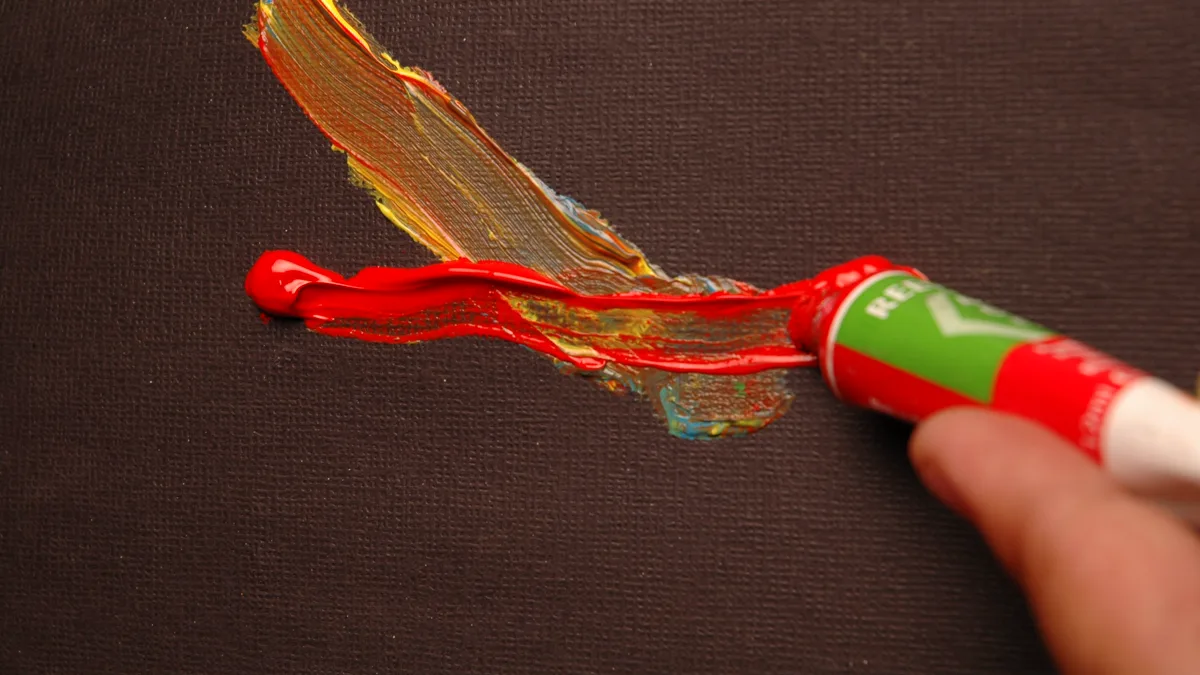
Preventing flex-zone cracking requires applying four to six paper-thin paint coats rather than thick heavy passes. Each layer must dry completely before adding subsequent coats, allowing elastomeric paint polymers to bond harmoniously across dynamic crease points.
The golden rule of custom shoe painting is applying multiple thin coats rather than one thick layer. Thick coats trap moisture underneath, resulting in gummy textures, uneven brush strokes, and premature cracking across the toe box flex zone.
Start with a smooth, neutral base coat to block out dark background colors. Allow each layer to dry completely for fifteen to twenty minutes, or use a low-heat craft blower held twelve inches away to accelerate drying. When planning elaborate illustrated designs, adopting structured palettes from our footwear styling resources helps you balance striking accent colors across the lateral and medial panels.
For collectors who appreciate bespoke aesthetic footwear but prefer ready-to-wear craftsmanship without mixing paints at home, exploring professionally produced wearable anime footwear offers durable factory-cured graphic sneakers engineered for daily street comfort.
Always perform a flex test along the ball of the foot between major coats. Lightly bend the sole to observe how the pigment moves with the leather, reinforcing any high-stress areas with thin, fluid passes. If you notice any brush dragging, add a single drop of acrylic thinner to maintain a smooth milky consistency.

How do you seal and waterproof custom painted footwear?
Sealing custom footwear requires brushing two uniform coats of acrylic finisher across painted panels, followed by heat-setting canvas fabrics and allowing forty-eight hours of room-temperature cure time. This protective barrier shields delicate pigments from dirt, abrasion, and puddle splashes.
Once your artwork is complete and fully dry, applying a protective topcoat seals the pigments against street dust, UV fading, and rain splashes. Factory acrylic finishers provide a durable barrier that locks in color balance.
Apply two even coats of matte or satin acrylic finisher with a clean, wide synthetic brush, allowing thirty minutes between coats. For canvas projects, set the paint by hovering a heat gun on medium setting two inches above the fabric for two minutes per panel. Allow the completed footwear to cure undisturbed in a well-ventilated room for a minimum of forty-eight hours before wearing them outside.
After the full curing window has elapsed, remove all masking tape by pulling slowly at a forty-five-degree angle to ensure razor-sharp edges along the rubber soles. Finish by re-lacing the sneakers with fresh cotton laces to complete the workshop transformation.
Shoe customizing process by the numbers
- 48 hours required for complete chemical curing before street wear (maker guidelines).
- 4 to 6 thin paint layers recommended for smooth, opaque coverage (counted in this guide).
- 400 grit abrasive pad ideal for micro-scuffing smooth leather uppers (workshop standard).
- 1 to 1 mixing ratio for combining acrylic paint with textile medium on canvas uppers (formulation standard).
- 2 protective topcoat layers recommended to shield against friction and moisture (testing standard).
- 15 minutes minimum drying time between individual paint coats (application rule).
Long-term maintenance and daily wear guidelines
Caring for hand-painted sneakers requires gentle, mindful cleaning habits. Never machine wash or submerge custom footwear in water. Instead, use a damp microfiber cloth and mild sneaker foam to spot clean dirt, followed by an occasional spritz of water-repellent spray to maintain water resistance. Are you ready to prep your first pair of blank sneakers this weekend?
Reader mail
Will acrylic paint crack when walking in painted shoes?
Standard craft paint will crack, but specialized leather acrylic paints mixed with elastomeric binders flex naturally with leather movement without peeling.
Do I need to deglaze brand new leather sneakers?
Yes. Brand new sneakers feature factory silicone coatings that repel paint. Deglazing strips this barrier so pigment can bond directly with the leather.
How long do custom painted shoes last with daily wear?
When properly prepped, painted in thin coats, and sealed with an acrylic finisher, custom shoes can withstand regular casual wear for several years.
Can I use markers or pens for fine linework on sneakers?
Yes, acrylic paint markers work well on leather and canvas when sealed under a protective topcoat to prevent bleeding and water smudging.
How we researched this: techniques, cure times and terms were checked against maker and reference pages. AI tools helped draft the article.
Sources: Leather craft preparation technical guide, Acrylic pigment binding research documentation, Footwear textile finishing care standards